

Essen Cathedral
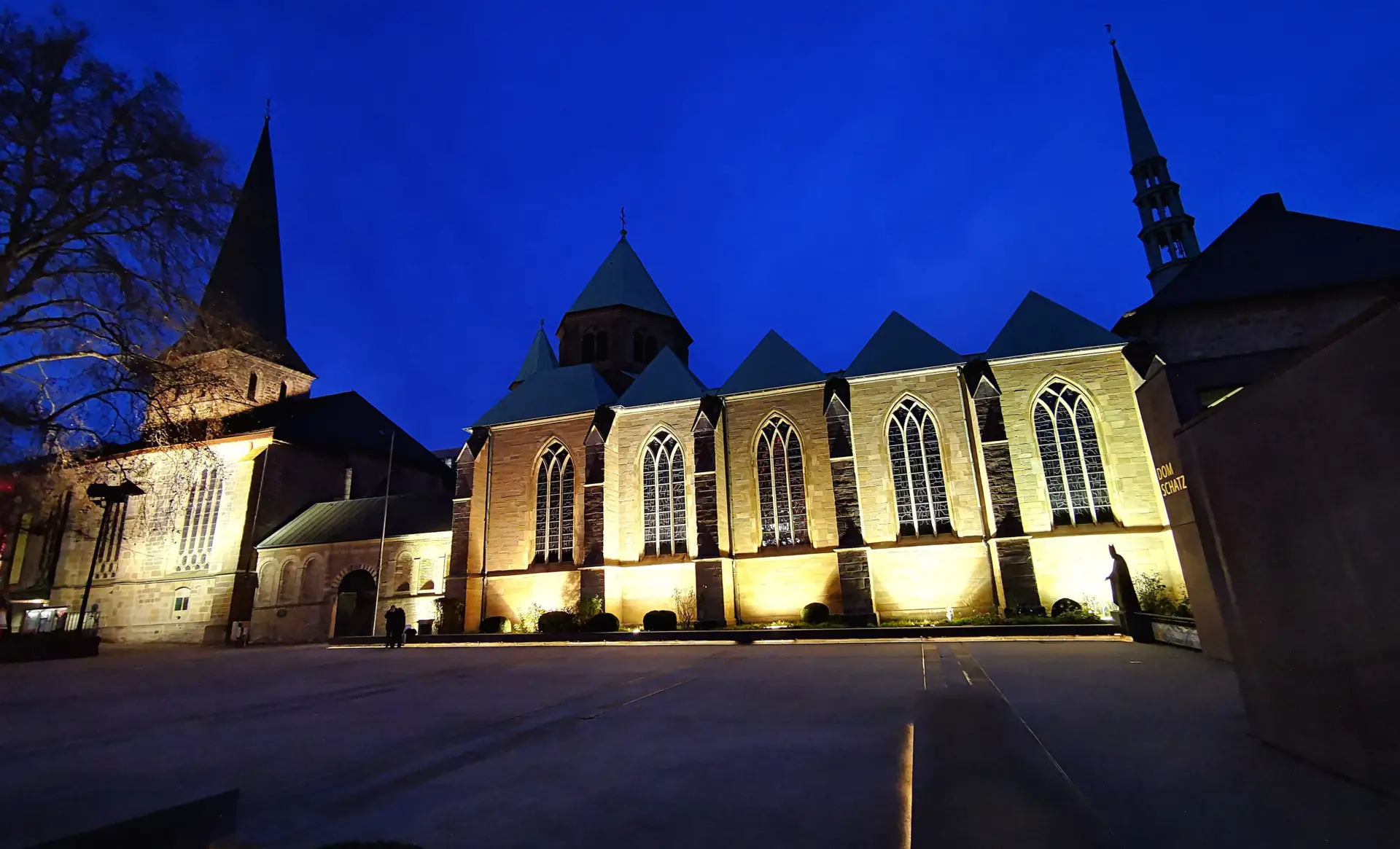
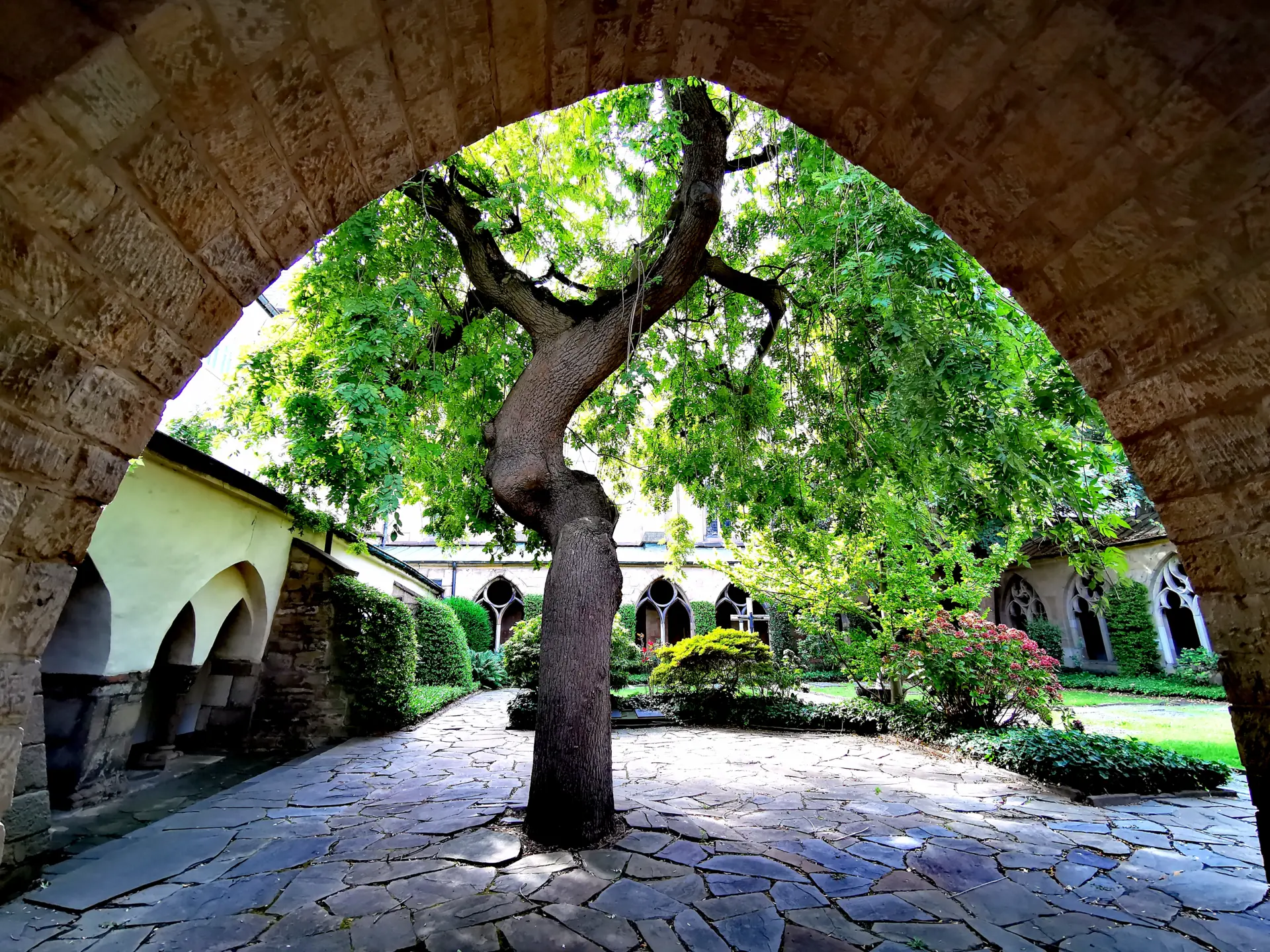
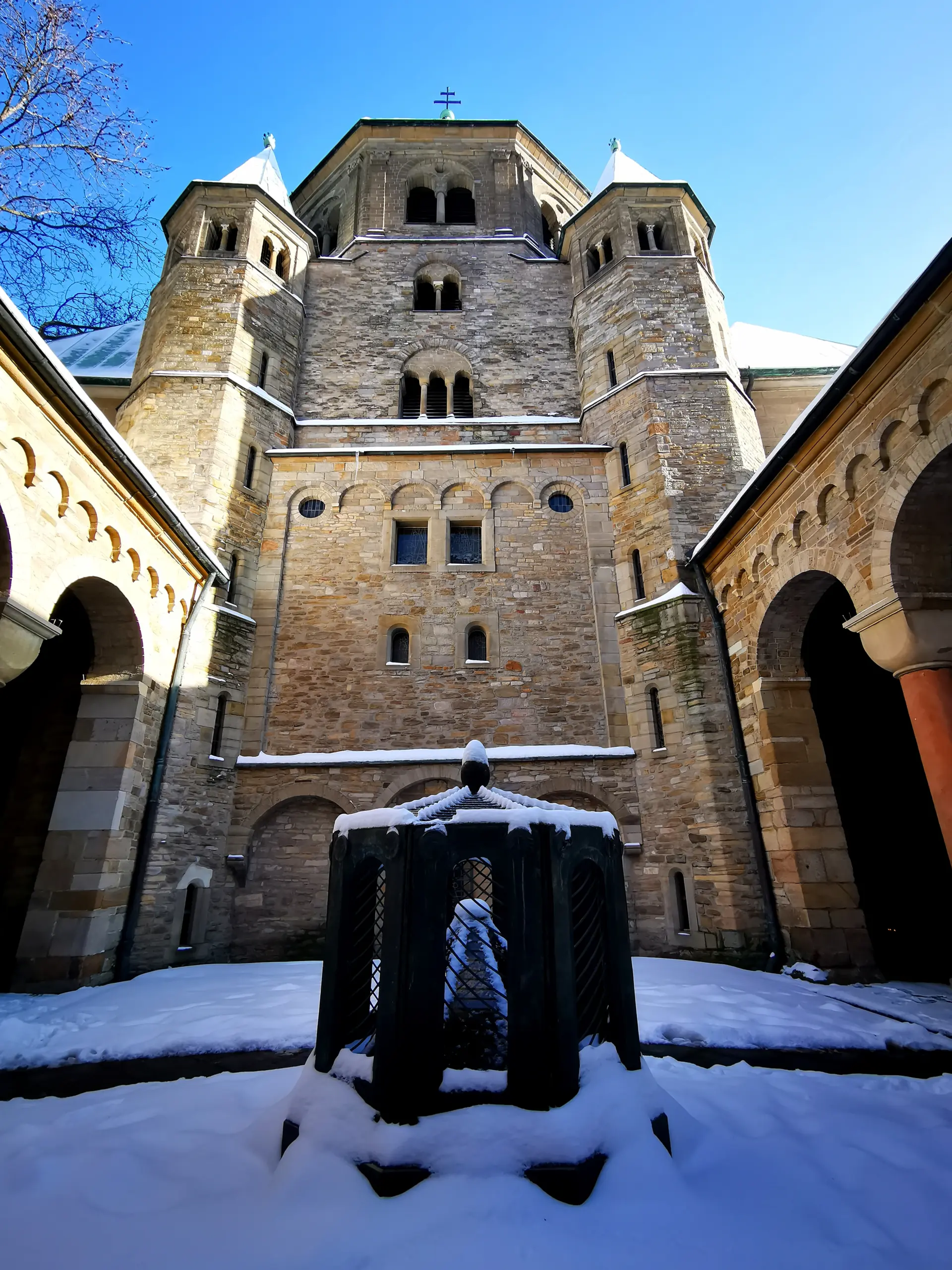
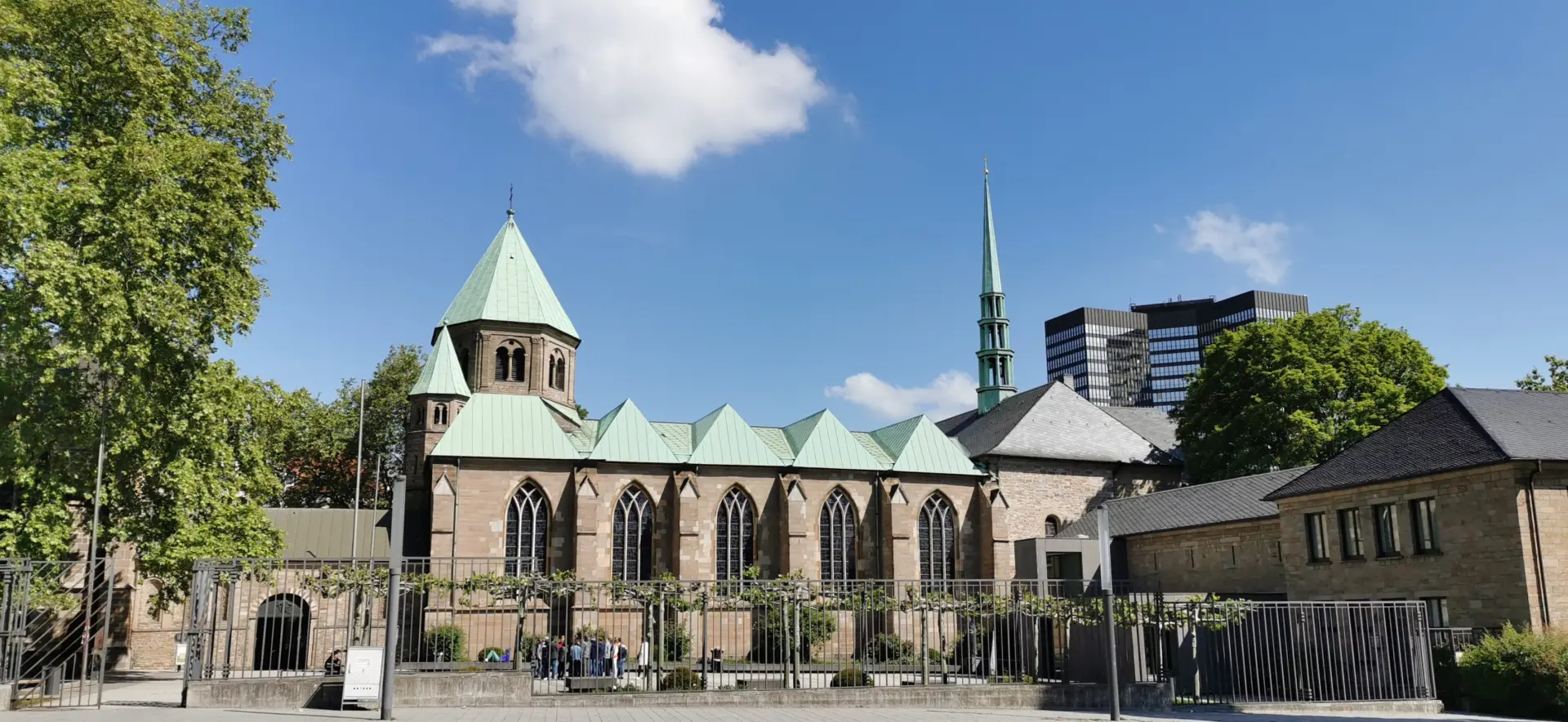
Essen Cathedral, the cathedral church of the Diocese of Essen, established in 1958, looks back on a history spanning some 1,150 years. Around 850, a women’s convent was founded here, which in the Early and High Middle Ages was one of the most prominent religious institutions for women in the German Empire. The first collegiate church was built by 870.
Due to fires, the building, also known as the Münsterkirche, had to be rebuilt several times. After secularization, the church became the parish church of the Münster parish in 1803. The Münster suffered severe damage during the Second World War. After its reconstruction, it was designated the cathedral church of the new Diocese of Essen when the diocese was established in 1958.
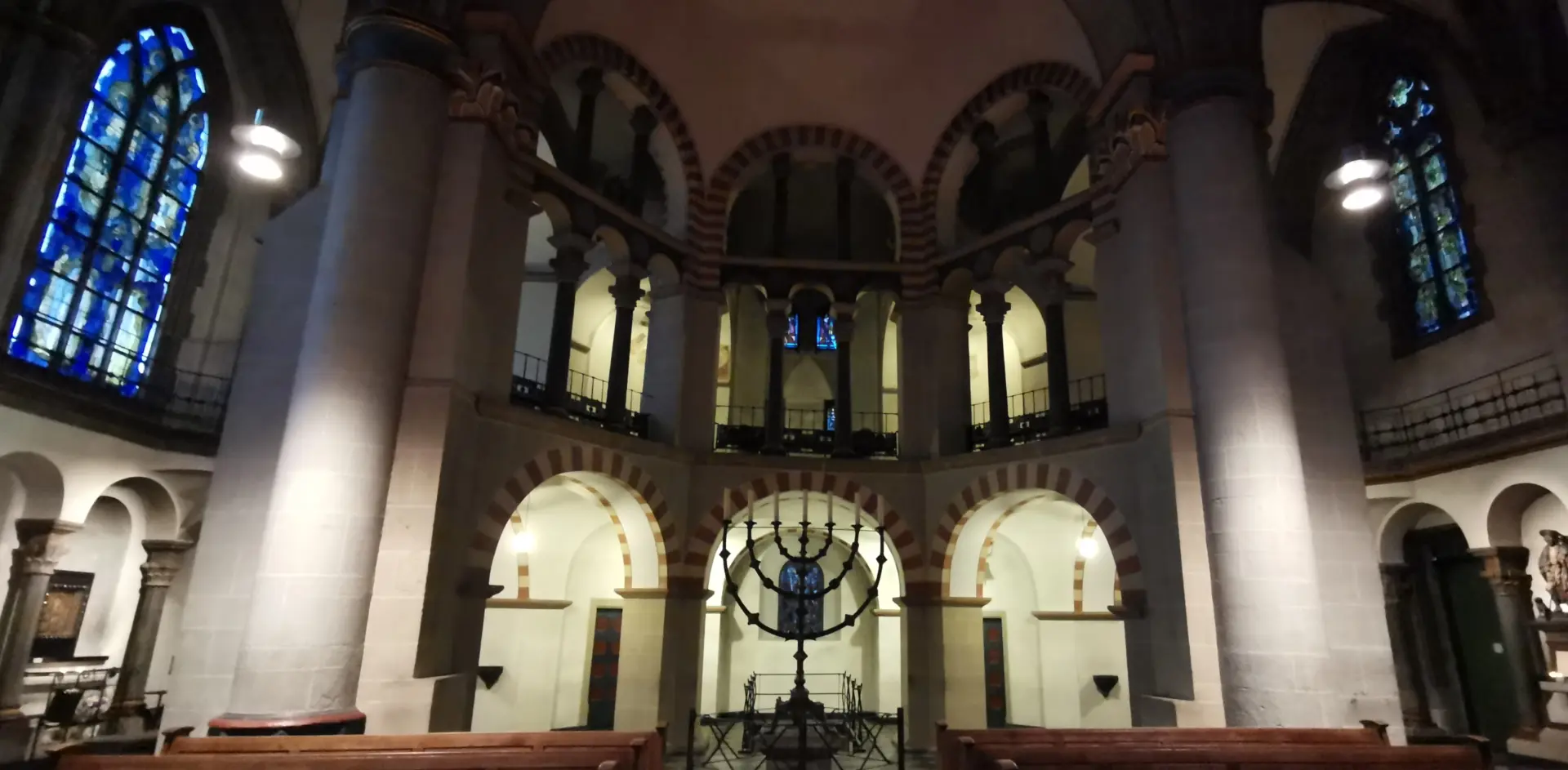
The Essen Cathedral Treasury is considered the most important legacy of the Essen Women’s Abbey. Two of its most significant works of art are still kept in the cathedral today. The Golden Madonna, the oldest fully sculpted image of the Virgin Mary in the world, is the Ruhr region’s most important work of art. Dating from around 980 AD, the statue of the Virgin Mary is still a highly venerated object of devotion and stands in the left aisle of Essen Cathedral. The seven-branched candelabrum also remains in the cathedral. It is the oldest surviving seven-branched candelabrum in Christendom and was made using hollow-cast bronze around the year 1000.
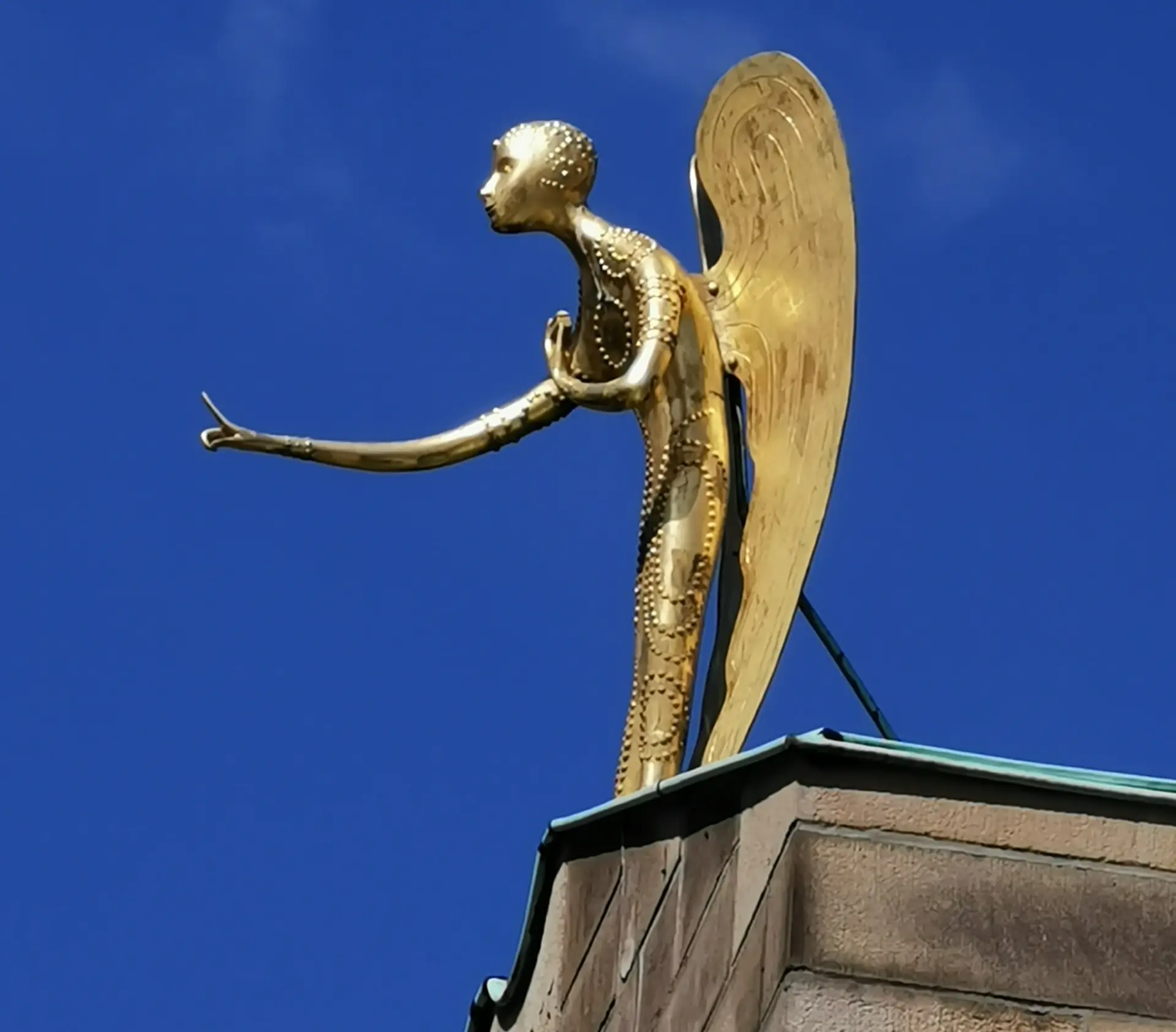
Another work of art sits above the portal of the present-day Bishop’s House on Burgplatz: Ewald Mataré’s golden angel has stood there for almost 70 years and is affectionately known to the people of Essen as the “Mataré Angel.”
Good to know
- Address
- Burgplatz 2Show on map
45127 Essen - Getting there
- Burgplatz 2
45127 Essen
Location & directions
Burgplatz 2 / 45127 Essen