

An absolute must for your to-do list in Essen!
Fascinating discoveries among nature, former industrial facilities, plenty of fascinating facts, art and culture! It’s simply amazing how much there is to experience here. Join me on a tour of some of the many possibilities!
Where coke ovens once roared and coal dust covered everything, a brilliant blend of old industrial facilities and unique nature has emerged.
Here you can find an overview map: Zollverein 3D map (pdf, 503 kB)
Zeche Zollverein holds a special fascination for me, because I remember the Ruhr area of my childhood—the image that many people still have in their minds. Smoking chimneys, coal grime and loud machinery were what people associated with our region.
That’s been a thing of the past for a long time! Over the last few decades, the Ruhr area has become a wonderfully green region following the closure of its coal mines and steel industry.
The last active coal mine in Essen, Zeche Zollverein, also closed in 1986!
As part of the Route of Industrial Heritage, the former facilities, some of which are listed as historic monuments, were preserved and designated a UNESCO World Heritage Site in 2001.
The expansive complex, with its many buildings, has become Essen’s internationally renowned architectural and cultural highlight: UNESCO World Heritage Site Zollverein
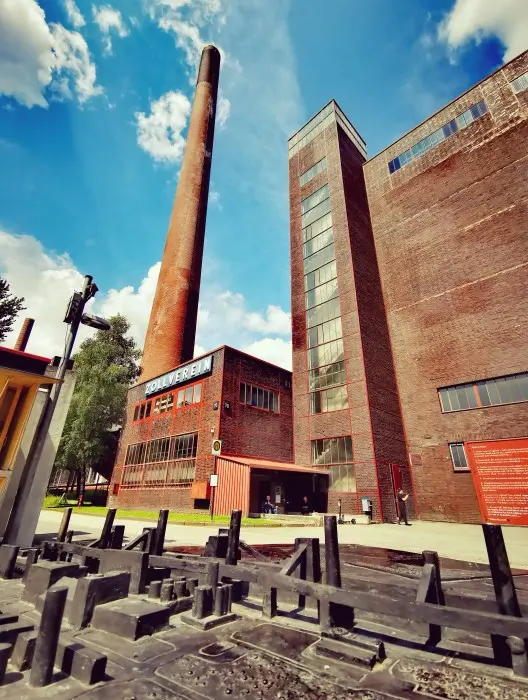
I start my tour in front of the Coal Washing Plant, which also houses the Ruhr Visitor Centre. A model there gives me a great overview of the entire site.
In addition to the large visitor centre, there are other information points around the site where you can find out all about what Zeche Zollverein has to offer!
The ride up into the Coal Washing Plant on the 58-metre-long escalator, lit in orange, is something special in itself and offers wonderful views of Zollverein’s landmark, the Doppelbock. Staff at the visitor centre provide information about the mine, and you can buy tickets for the various exhibitions or browse the many brochures in the café to get an overview of the wide range of things to see and do.
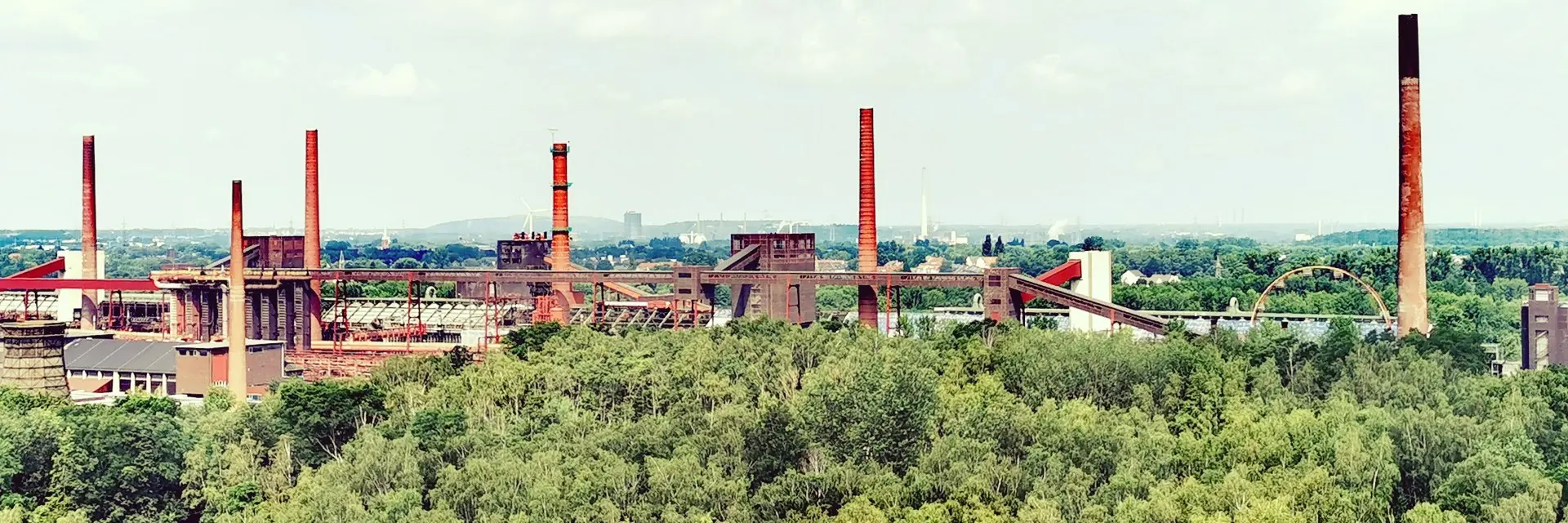
Since my focus is on exploring the outdoor areas, I walk through a portal where you can learn about industrial heritage through multimedia exhibits, and then head up to the roof of the Coal Washing Plant. From there, I have a 360° view across Zeche Zollverein, northern Essen and the neighbouring cities. It’s wonderful to see how green everything is! To my particular delight, even the headgear wheels are turning, making the mine seem active once again.
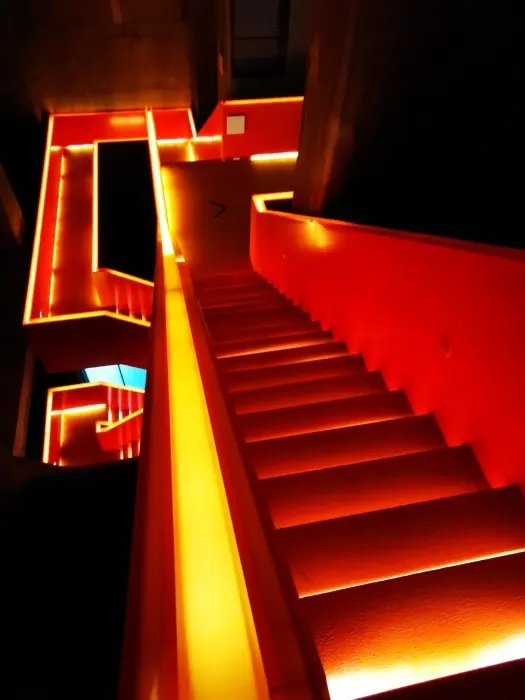
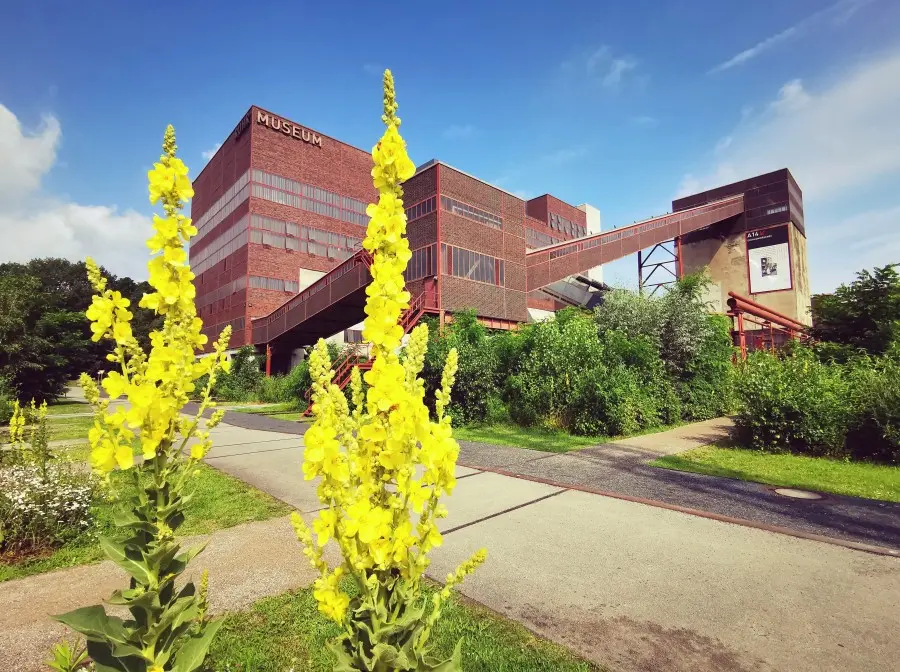
On my way down, I take a quick look inside the Ruhr Museum. It features a range of innovative, multimedia exhibitions on the history of Essen and the region. I enter the museum via a futuristic staircase whose orange lighting evokes glowing coals. The museum is well worth a visit, even when the weather isn’t ideal! Ruhr Museum
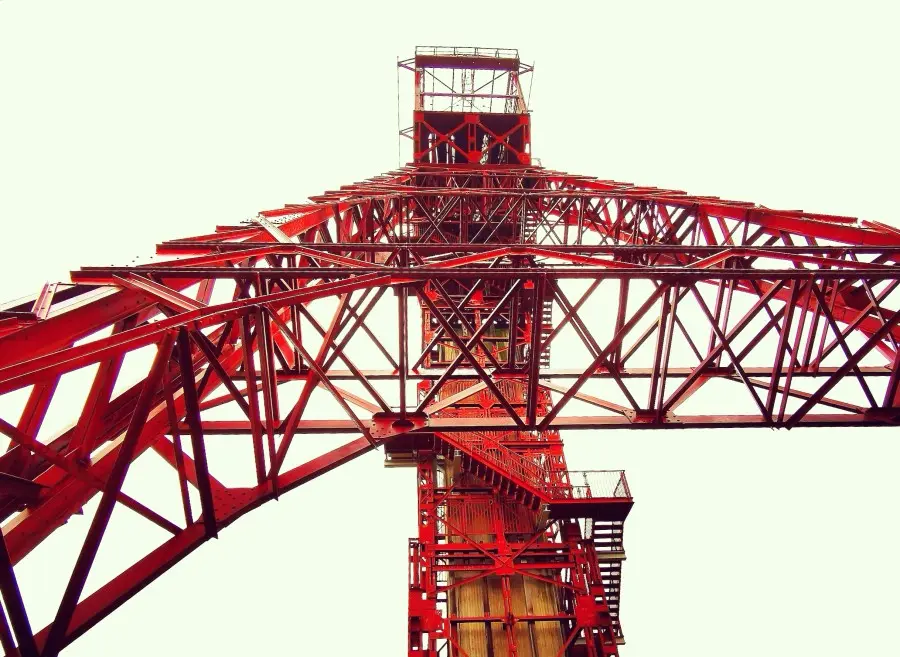
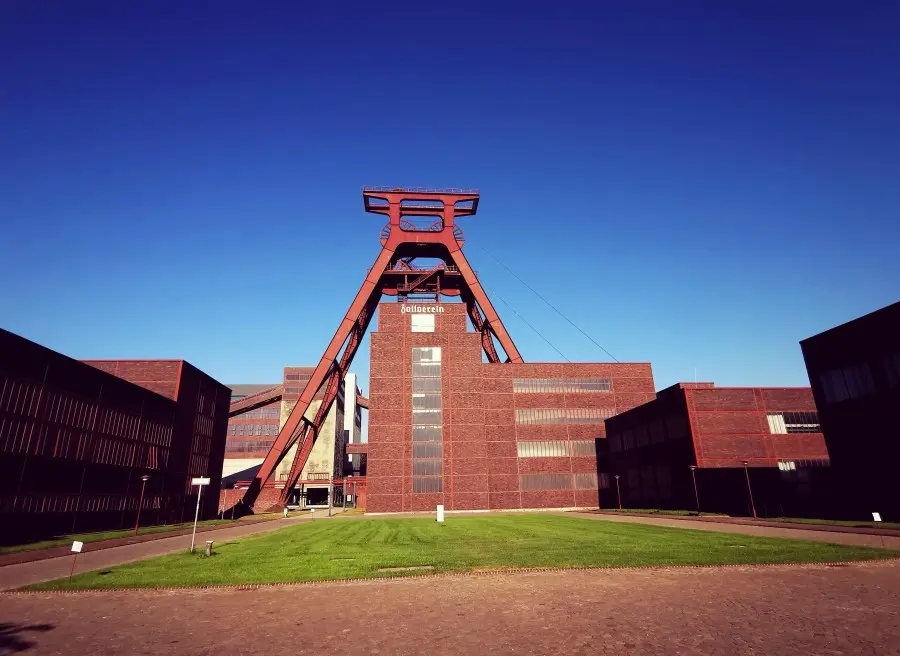
Back outside, I look around the Schacht XII site. For me, the real photo hotspots are the 55-metre-high headgear and the group of buildings between the Ehrenhof and the Red Dot Design Museum. The clean, straight lines combined with the buildings’ industrial charm never fail to fascinate me. They’re also fantastic photo subjects in the evening when they’re lit up!
If you’re interested in design, the Red Dot Design Museum is the place for you. Spread across five floors and set in a very special atmosphere, it showcases consumer products honoured with the Red Dot Design Award. Red Dot Design Museum
As I explore, I’m captivated by the mining exhibits and equipment I encounter all over the site, transporting me to another era. Beneath a conveyor bridge, I find something I simply can’t resist. Where else can you relax on a swing in the middle of an industrial complex? Wheee!
The old railway tracks between Schacht XII and the coking plant, now used as paths, have been beautifully reclaimed by nature. The special mix of plants almost makes me forget what this place looked like just a few years ago. In summer, the air is filled with fragrance and buzzing. I’m absolutely thrilled!
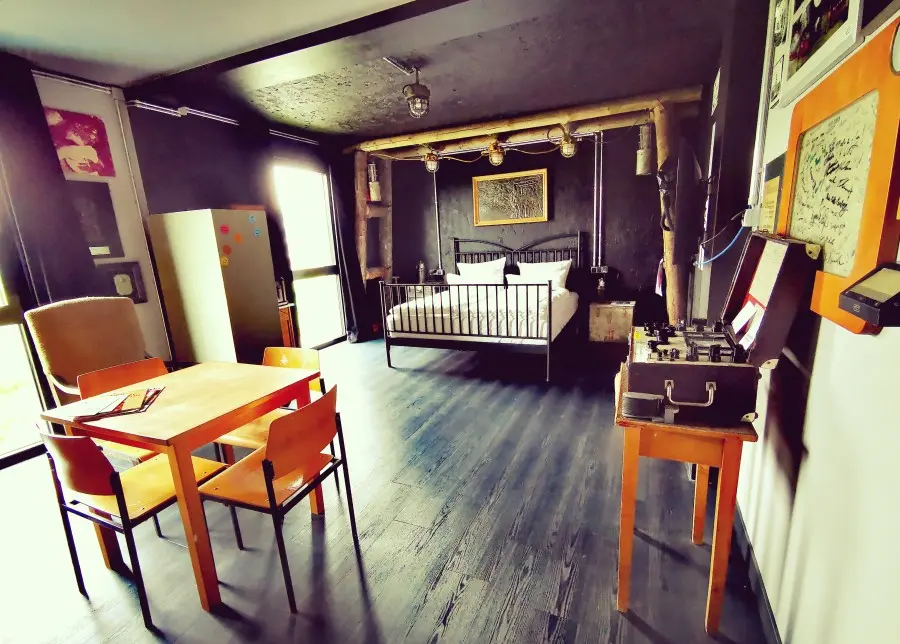
#hotelfriends opened at Schacht 1/2/8, also known as the Kunstschacht, in mid-2019. I’m curious, so I decide to take a look. The theme of coal mining is brought to life with great attention to detail. Some of the rooms, for example, tell the stories of miners who worked at Zeche Zollverein. Mining memorabilia can also be found throughout the lounge and breakfast area. A modern, inviting hotel with a great concept! So if you’re planning to spend a little more time visiting, you can stay right at the mine. #hotelfriends
The Kunstschacht certainly lives up to its name! It’s home to PACT Zollverein (a centre for choreography, dance and performance), among other things, as well as galleries run by various artists. PACT Zollverein
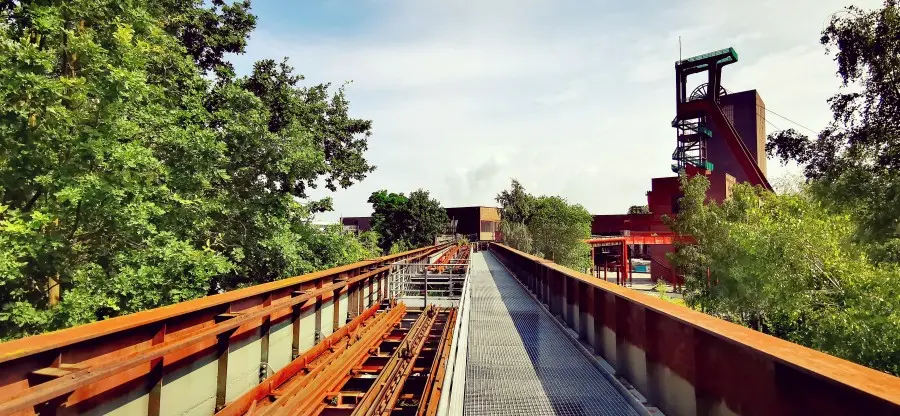
Right beneath the second headgear at Zollverein, a staircase leads up to a bridge and back towards Schacht XII. Conveyor belts once transported mined coal to the coking plant along this bridge. I love it because you can experience and photograph the mine from a completely different perspective. You really should climb up there!
From the Kunstschacht, I take a detour to Schacht 3/7/10, home to a very special exhibition. A former railway track makes it easy to walk to the Phänomania Erfahrungsfeld. In the oldest part of the mine, you can explore scientific phenomena and test your senses across several floors and outdoors, at numerous stations and installations. Touching and trying things out is positively encouraged!
Phänomania Erfahrungsfeld
I’m particularly interested in the headgear at the shaft, where you can enjoy a spectacular experience: a picnic 35 metres up in the air! You have to climb 160 steps and have a good head for heights. The view from the top is magnificent. Unfortunately, I can’t go up, as a family is enjoying their own special picnic experience up there. Schacht 3/7/10
So I set off for Kokerei Zollverein. For me, it’s the most interesting part of the World Heritage Site, especially because of its many attractive photo opportunities.
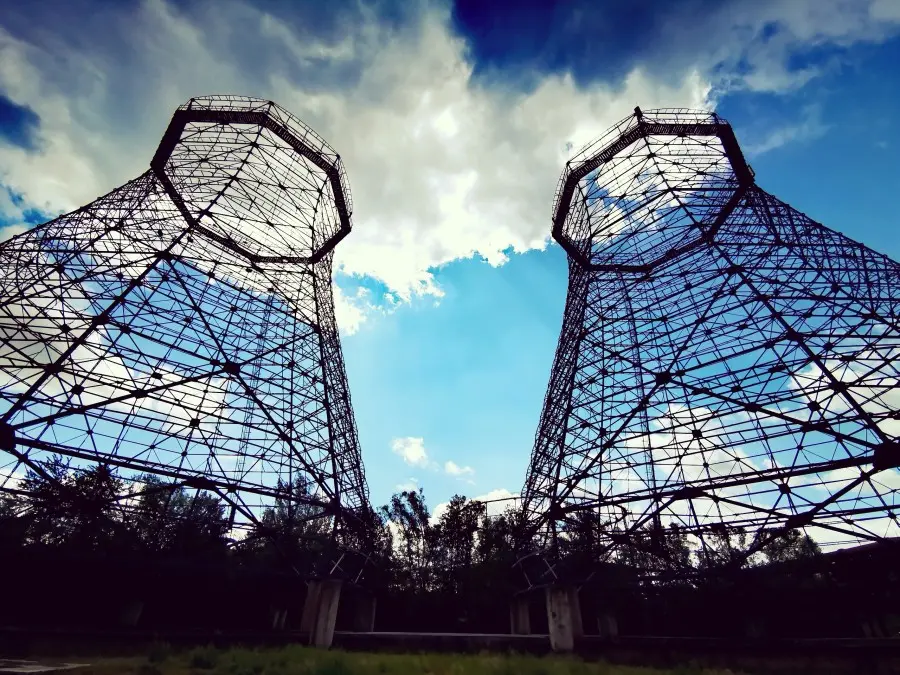
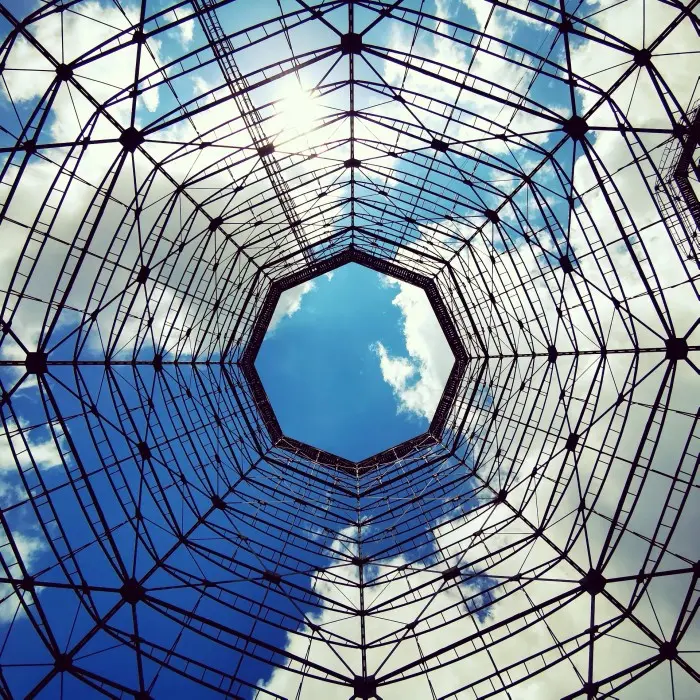
One of my absolute favourite photo spots here is the old cooling towers. Their symmetry and scale are truly impressive; even the huge water taps on the basins are gigantic. At sunset, there’s also a fascinating play of colours. Right next door is another great subject: a gasometer with a large gauge.
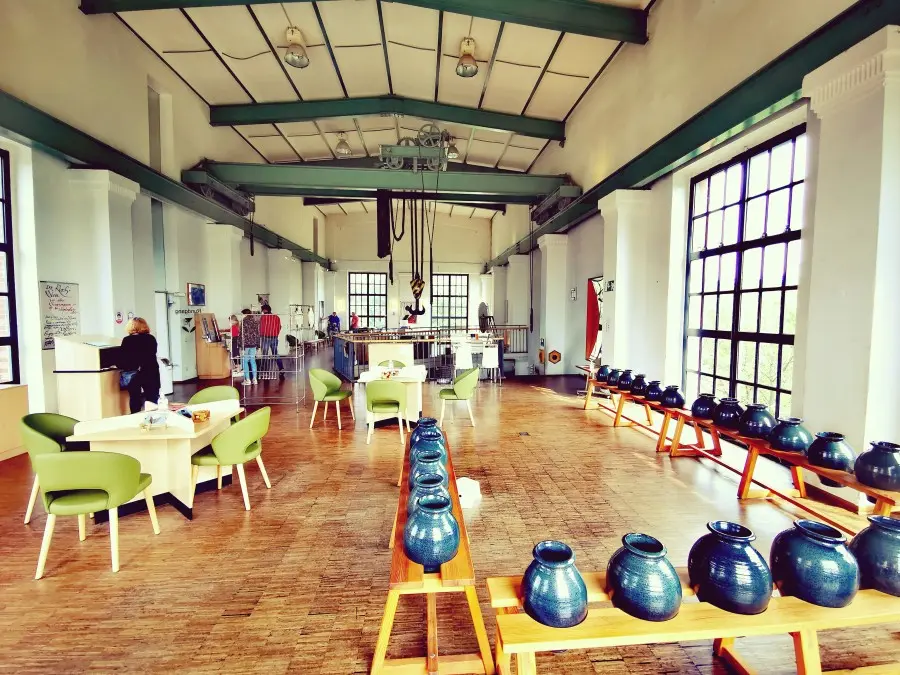
New at the coking plant is the Ruhr Museum’s display depot, a museum storage facility that visitors can explore on guided tours.
Ruhr Museum Display Depot
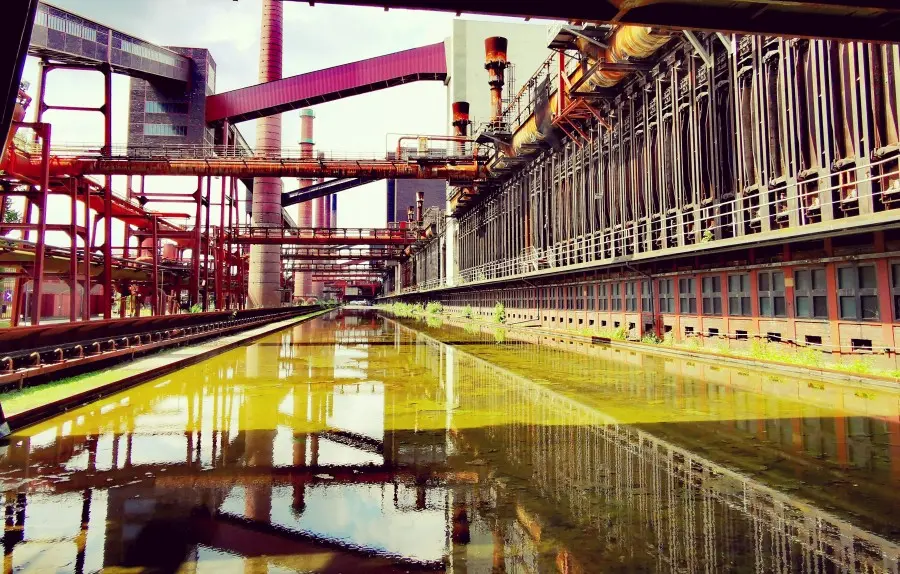
There are endless photo opportunities along Kokereiallee! I never tire of photographing the more than 300 coke ovens from every possible angle. The entire site is spectacular in its size and diversity. For me, what makes the coking plant so appealing, especially in summer, is the contrast between the wild, colourful meadows in bloom and the old industrial buildings. I just can’t resist this combination.
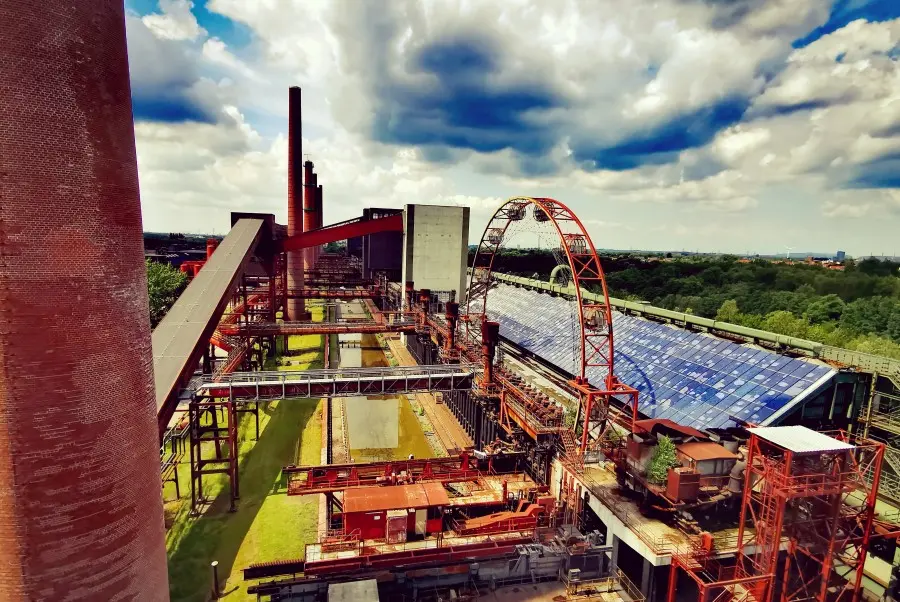
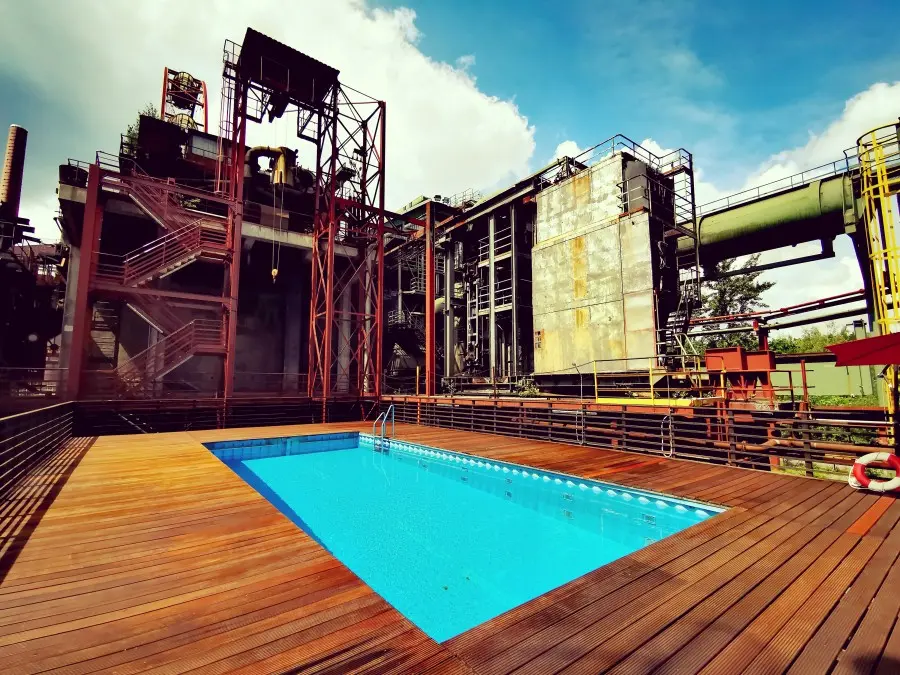
From the mixing plant, whose roof I was allowed to visit for the blog as a special exception, you can see the entire site from above, including the workers’ swimming pool just below, next to the Kokerei Café. The pool consists of two shipping containers welded together (12 x 5 metres in size and 2.4 metres deep) and was created as an art project. You can swim here for free during the summer holidays. Werksschwimmbad Zollverein
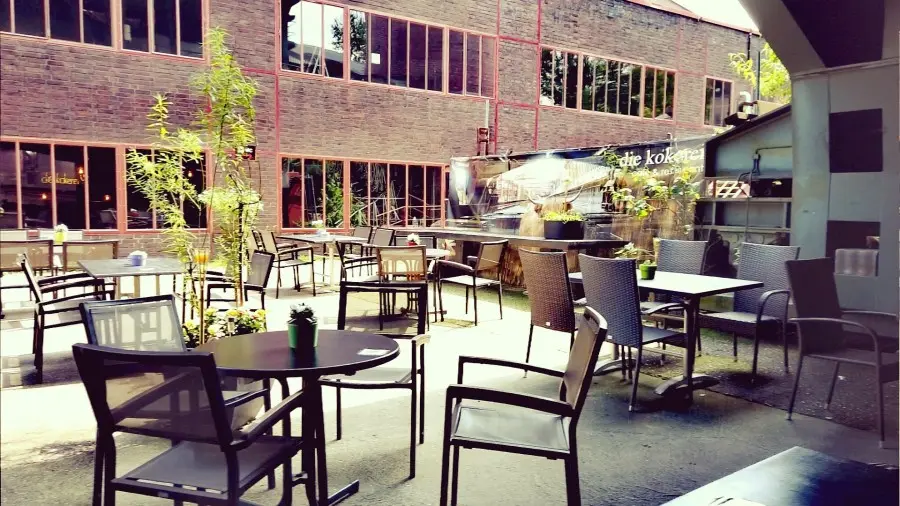
To round off the day, I treat myself to a refreshing drink at the Kokerei Café, along with some incredibly tasty fries and burgers from its very own food truck. die Kokerei Café + Restaurant
With a view of Kokereiallee and the coke ovens, I look back on a day full of impressions and experiences. My verdict: There’s an incredible amount to discover and experience, it’s authentic to Essen and the region, and it’s an absolute MUST!
So, get going! I hope you have lots of fun and wonderful experiences at the Zollverein UNESCO World Heritage Site!
Yours, Blinki
You can download the site map here: Zollverein 3D map (pdf, 503 kB)
Take a look …
Here’s a little preview of Zollverein:
Video / YouTube / wird erst nach Klick geladen
More impressions